A 1-Year Master’s in the UK can be an attractive option for international students who want advanced education without spending several years in postgraduate study. Compared with longer master’s programs in some destinations, a one-year structure can provide a focused academic experience with a clear finish point.
However, speed is not the only reason students consider this option. Course design, professional relevance, international exposure, and the opportunity to enter the next stage of life sooner can also matter. Therefore, students planning to study in UK often look at one-year master’s programs as part of a broader education and career strategy.
Why the One-Year Format Gets Attention
Time matters when planning an international degree. A shorter postgraduate program can reduce the amount of time spent away from home and can also shorten the overall study timeline.
For example, students may complete their master’s sooner and then move into professional applications, further training, or another personal goal. In addition, a shorter academic period can make planning easier for students who already know the field they want to enter.
However, a shorter course does not mean a smaller academic experience. Instead, the structure is usually more concentrated. Students need to manage lectures, assignments, projects, reading, and assessments within a tighter schedule.
Therefore, time management becomes especially important.
A Focused Academic Experience
One of the main attractions of a one-year master’s is its focused nature. Instead of spreading postgraduate study across a longer period, students work through the curriculum within a compact academic calendar.
First, they learn the core concepts. Next, they apply those concepts through assignments and projects. Finally, they complete the major academic requirements within a relatively short period.
As a result, students can stay closely focused on one subject.
For example, a student interested in business analytics may spend the year building skills in data interpretation, business decision-making, and analytical tools. Similarly, a technology student may focus on software, data, cybersecurity, or another specialised area.
Strong Course Structure Matters
A one-year course can be demanding. Therefore, students should look carefully at the curriculum before applying.
Do not choose a course only because the title sounds attractive. Instead, review the modules, assessment methods, projects, electives, and dissertation or final project requirements.
Moreover, compare what the course actually teaches with the skills required in your target career.
For example, two universities may offer similar master’s titles. However, one may focus more on research, while another may provide more applied learning.
Therefore, course content should remain at the centre of the decision.
Good for Students With a Clear Goal
The one-year format can work particularly well for students who already understand the field they want to pursue.
For example, a student with a background in business may choose a specialised master’s in analytics, finance, marketing, or management. Similarly, a student with a technology background may choose a focused program in data, software, artificial intelligence, or cybersecurity.
Because the study period is compact, students should have a reasonable idea of what they want to gain.
Therefore, the question should not be, “Which master’s can I finish quickly?” Instead, ask, “Which master’s can help me move toward my career goal?”
An International Learning Environment
International students are also attracted by the opportunity to learn in a multicultural academic environment.
When students study in UK, they can interact with classmates from different countries and backgrounds. As a result, they may gain broader perspectives through group projects, classroom discussions, and university activities.
In addition, working with people from different cultures can strengthen communication and teamwork.
However, students should remember that international exposure is not automatic. They need to participate, communicate, and build relationships.
Professional Skills Alongside Academic Knowledge
A master’s degree should not be only about passing exams. Therefore, students should look for programs that develop practical and professional skills.
For example, presentations can improve communication. Group projects can build teamwork. Research assignments can strengthen analytical thinking. Practical projects can demonstrate how academic knowledge is applied.
Moreover, these skills can support students when they move into professional environments.
Therefore, when comparing a 1-Year Master’s in the UK, look beyond the degree title. Consider the complete learning experience.
A Shorter Study Timeline
A one-year master’s can provide a clear and relatively short academic timeline. This can be useful for students who want to move into the next phase of their life without spending several years in postgraduate study.
For example, students may want to return home sooner, start professional development, or pursue another personal goal after graduation.
However, a shorter timeline also means students cannot afford to postpone important decisions.
Therefore, planning should begin before the course starts.
Consider the Course Intensity
The compact structure can also make the academic experience intense.
Students may have several modules running within a limited period. In addition, assignments and projects can arrive close together.
Therefore, organisation is essential.
First, create a weekly study schedule. Next, divide large assignments into smaller tasks. Then, set deadlines before the official due dates.
As a result, students can avoid last-minute pressure.
Compare Total Study Costs
Cost is another reason students may consider shorter postgraduate programs. Spending less time at university can mean fewer months of accommodation and everyday expenses.
However, students should not assume that every one-year program will automatically be cheaper overall.
Instead, compare tuition, accommodation, transport, insurance, food, study materials, and other expenses.
For example, a lower tuition fee may not create a lower total cost if the course is located in an expensive city.
Therefore, always calculate the complete budget.
Think About Location
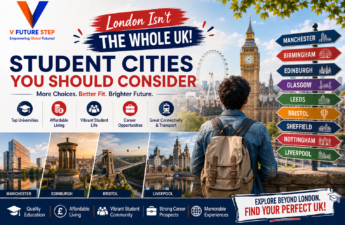
Your university location matters too. Students who want to study in UK can choose from many cities and regions.
London may offer extensive professional and cultural opportunities. However, other UK cities can offer strong universities, active student communities, and different living-cost profiles.
Therefore, compare the course and city together.
A practical location can make it easier to manage daily expenses while still giving you access to the experiences you value.
Research Career Support
Career support can add value to a postgraduate degree. Therefore, check whether the university provides services such as resume guidance, interview preparation, career events, networking sessions, or employer activities.
In addition, look for opportunities to connect with alumni or industry professionals.
For example, a career event may help you understand how employers view your field. Similarly, a project with practical relevance can give you something useful to discuss during interviews.
As a result, the course can support both academic and professional development.
Is It Right for Every Student?
Not necessarily. The 1-Year Master’s in the UK can be appealing, but students should consider their own circumstances.
For example, a student who wants extensive research experience may prefer a different postgraduate structure. Similarly, someone who wants a slower learning pace may find a compact course demanding.
Therefore, course length should never be the only deciding factor.
How to Make the Most of a 1-Year Master’s in the UK
A 1-Year Master’s in the UK can move quickly, so students need to use their time carefully. The goal should not simply be to finish the course. Instead, the goal should be to leave with stronger skills, better professional awareness, and a clearer next step.
Therefore, career preparation should begin early rather than waiting for graduation.
Start Building Your Career Profile Early
The first few months can feel busy. However, students should still make time for career preparation.
First, create or update your resume. Next, identify the roles that interest you. Then, compare job descriptions and note the skills employers commonly request.
Moreover, keep your academic projects organised.
For example, a data student can save useful project summaries. Similarly, a business student can keep presentations, research work, or strategy assignments that demonstrate relevant skills.
As a result, your academic work can become part of your professional profile.
Use Networking Opportunities
Networking is another useful part of postgraduate life. However, it does not mean asking everyone for a job.
Instead, focus on learning and building genuine connections.
Attend university events. Join relevant societies. Participate in career fairs. Also, speak with alumni when opportunities are available.
When you study in UK, you may meet people from different academic, cultural, and professional backgrounds. Therefore, use these interactions to learn more about industries and career paths.
Look for Practical Experience
Practical experience can make academic knowledge more useful.
For example, students may work on industry-focused projects, competitions, research activities, volunteering, or suitable internships.
However, students should choose opportunities that connect with their career direction.
Therefore, before joining an activity, ask what skill it can help you develop.
Develop Transferable Skills
A strong master’s degree should help you build skills beyond one subject.
For example, communication, teamwork, research, critical thinking, presentation, and project management can support many careers.
Similarly, students can develop digital skills alongside their core subject.
As a result, a postgraduate degree becomes more valuable when students graduate with both subject knowledge and transferable abilities.
Manage Your Time Carefully
The one-year structure can feel intense. Therefore, time management is essential.
First, create a weekly plan. Next, separate academic tasks from career tasks. Then, set small goals for each week.
For example, you may reserve specific time for reading, assignments, networking, and job preparation.
Moreover, avoid leaving your final project until the last possible moment.
As a result, you can manage academic and professional responsibilities together.
Plan Your Finances
A shorter master’s does not remove financial planning. Therefore, calculate your entire expected cost before starting the course.
Include tuition, accommodation, food, transport, study materials, insurance, travel, and emergency savings.
In addition, consider unexpected expenses.
For students planning to study in UK, city choice can affect the overall budget. Therefore, compare living costs before choosing your university.
Think About Your Next Step Early
Your master’s may have a clear end date. Therefore, start thinking about what happens after graduation well before the course ends.
For example, you may want to enter employment, continue professional training, return home, or explore another suitable option.
However, avoid making decisions without researching the requirements that apply to your situation.
Therefore, keep your plan flexible while maintaining a clear direction.
Do Not Choose Only Because It Is One Year
The course duration can be attractive. However, it should never be the main reason for choosing a program.
Instead, compare course content, academic quality, practical learning, career relevance, location, and total cost.
For example, a one-year course may be ideal when it matches your goals. On the other hand, a longer program may be more suitable for another student’s needs.
Therefore, speed should be one factor, not the whole decision.
Check the Degree Content Carefully
Before applying, ask several practical questions.
What modules will I study? How is the course assessed? Is there a dissertation or final project? What practical experience is available? What career support does the university provide?
Moreover, check whether the program matches your previous education.
As a result, you can make a more informed choice.
Understand Your Personal Learning Style
A compact program requires regular effort. Therefore, students should consider how they learn best.
For example, students who enjoy fast-paced academic environments may adapt well. Meanwhile, students who prefer more time between topics may need stronger planning.
Therefore, understand your own learning preferences before choosing a one-year format.
Think Beyond the University Name
University reputation matters. However, it should not replace course research.
Instead, compare the exact program. Look at modules, practical learning, student support, facilities, location, and career services.
Moreover, compare the experience you will actually receive.
As a result, you can focus on the full value of the degree rather than only the university name.
Avoid Common Mistakes
One common mistake is choosing a course because it is short. Another is selecting a program because friends are applying.
Similarly, some students underestimate the pace and workload.
Therefore, research before applying.
Another mistake is waiting until the final months to think about careers. Instead, use the first part of the program to build your skills and professional profile.
Make the One-Year Experience Count
The 1-Year Master’s in the UK can be intense, but it can also be highly focused.
Therefore, use every stage wisely.
During the early months, settle into your academic routine. Next, build relationships and improve your skills. Then, work on projects and explore career options.
Finally, prepare for the next stage before graduation arrives.
Who Can Benefit From a One-Year Master’s?
This format can be useful for students who already understand their academic direction and want a focused postgraduate experience.
For example, a student with a clear career goal may prefer concentrated study. Similarly, a student who wants to add a specialised qualification to an existing degree may appreciate a shorter timeline.
However, students should still compare the workload, curriculum, cost, and personal suitability.
What International Students Should Compare
Before deciding to study in UK, compare at least these areas:
Course content, university support, total cost, location, accommodation, practical learning, career services, and your own academic fit.
In addition, think about how the degree connects with your future plans.
Therefore, compare the complete picture rather than focusing only on course length.
Final Thoughts
A one-year master’s can be attractive because it offers a concentrated postgraduate experience. However, its real value depends on the course you choose and what you do during the year.
Therefore, use the time carefully. Build practical skills. Create professional connections. Explore career opportunities. Manage your finances. Also, keep learning beyond graduation.
For students who study in UK, a one-year master’s can be an important academic step when it matches their goals, background, and preferred learning style.
Ultimately, the best reason to choose a one-year master’s is not simply that it is short. It is that the program provides the right education, skills, and direction for your future.
How V Future Step Can Help
Choosing the right master’s course can be difficult when you are comparing universities, cities, budgets, and career goals. Therefore, the right guidance can make the decision easier.
V Future Step helps students explore, compare, and choose the right study abroad options based on their academic background, interests, and budget. In addition, V Future Step connects students with right-fit agencies and guidance for course selection, applications, documentation, and visa planning.
FAQs
Why do international students choose one-year master’s programs in the UK?
The shorter structure can provide a focused postgraduate experience and allow students to complete their studies in a compact timeframe. However, students should compare the complete course value before deciding.
Is a one-year master’s difficult?
It can be intensive because students complete substantial academic work within a shorter period. Therefore, good time management is important.
Is a one-year master’s suitable for everyone?
No. Suitability depends on your academic background, career goals, learning style, budget, and the specific course.
Should I choose a master’s only because it is one year?
No. Course quality, curriculum, skills, practical learning, cost, and career relevance should come first.
Can I work while studying?
Work conditions depend on the rules that apply to your student status. Therefore, check the current requirements before making financial assumptions.
What should I check before applying?
Review the course modules, entry requirements, duration, assessments, practical learning, total cost, location, student support, and career services.