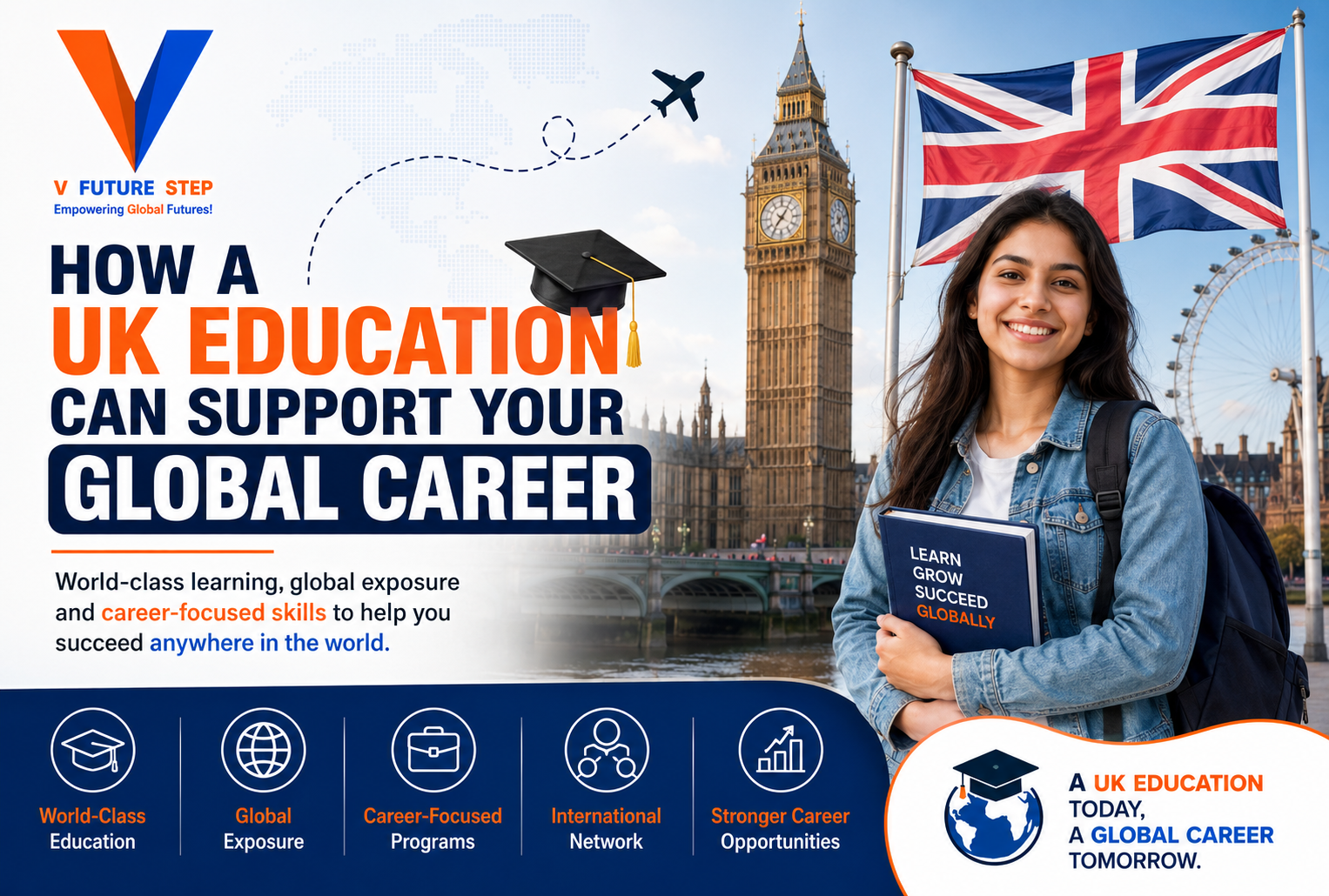
In a competitive international job market, a degree can be more than an academic qualification. It can help students develop specialist knowledge, professional confidence, communication skills, and an understanding of international workplaces. This is one reason UK Education for Global Careers continues to attract students who want to build careers that extend beyond one country.
The United Kingdom has a long-standing reputation for academic excellence and offers a wide range of undergraduate, postgraduate, and professional programs. Students can choose from established subjects such as business, engineering, law, healthcare, finance, and computer science, along with emerging areas such as artificial intelligence, cybersecurity, data analytics, and sustainability.
For students who plan to study in UK, the value of the experience can extend beyond the classroom. International study can help students interact with people from different cultures, improve communication, develop independence, and gain a broader understanding of their chosen industry.
Why a UK Education Can Add Global Value
A major strength of the UK education system is its emphasis on independent thinking. Students are often encouraged to question ideas, analyse evidence, build arguments, and apply knowledge to practical situations.
This approach can be useful in international workplaces where employees are expected to solve problems rather than simply follow instructions.
Globally Relevant Academic Skills
A UK program can help students build:
- Critical thinking
- Research skills
- Analytical ability
- Communication
- Presentation skills
- Problem-solving
- Independent learning
- Time management
These skills can remain relevant even as technology, industries, and job roles continue to change.
Wide Range of Career-Focused Programs
One of the biggest advantages of UK Education for Global Careers is the variety of programs available across academic and professional fields.
Students can select a course that connects closely with their intended career rather than following a one-size-fits-all path.
Popular Areas of Study
International students commonly explore:
- Business and Management
- Finance and Accounting
- Engineering
- Computer Science
- Artificial Intelligence
- Cybersecurity
- Data Science
- Healthcare
- Law
- Marketing
- Architecture
- Environmental Studies
When choosing a course, students should focus on curriculum quality, practical learning, career relevance, and opportunities to build useful skills.
Shorter Program Structures
Program duration can also influence the overall value of international education. Many UK postgraduate programs can be completed in a comparatively short period, depending on the course and institution.
For students, a shorter academic timeline can mean an earlier opportunity to enter professional life, although the right choice should always be based on academic and career goals rather than duration alone.
Why Program Duration Matters
A shorter course can help students:
- Reduce the total time spent studying
- Plan finances more effectively
- Enter the job market sooner
- Focus on a specific specialization
- Build an efficient academic pathway
Students planning to study in UK should compare course duration alongside tuition, curriculum, location, and career opportunities.
International Classroom Experience
A major advantage of studying in the UK is the multicultural nature of many university campuses. Students can work on projects with classmates from different countries, backgrounds, and professional interests.
This international exposure can be valuable for future careers because many employers operate across borders and expect employees to work with culturally diverse teams.
Benefits of a Multicultural Learning Environment
Students can develop:
- Cross-cultural communication
- Collaboration
- Adaptability
- Confidence
- Global awareness
- Professional networking
Building relationships with international classmates can also expand a student’s future professional network.
Practical Learning and Industry Exposure
Academic knowledge becomes more valuable when students know how to apply it. Depending on the course, UK institutions may use case studies, group projects, presentations, laboratory activities, simulations, research, or practical assignments.
These experiences can help students understand how concepts work in real situations.
Building Job-Ready Skills
Students can use projects and assignments to demonstrate:
- Research ability
- Technical knowledge
- Creativity
- Teamwork
- Presentation skills
- Decision-making
- Problem-solving
A strong academic project can sometimes become part of a student’s portfolio, particularly in fields such as technology, design, data, business, and media.
Strong Foundation for International Industries
Another advantage of UK Education for Global Careers is the opportunity to study subjects that are relevant across multiple markets.
For example, skills in software development, finance, business analytics, engineering, marketing, and cybersecurity can potentially be applied in different countries and industries.
Transferable Professional Knowledge
A globally focused education can help students understand:
- International business practices
- Professional communication
- Industry terminology
- Research methods
- Data interpretation
- Ethical decision-making
- Collaboration across cultures
Students should still research the specific professional requirements of the country where they eventually want to work, especially in regulated fields.
Career Benefits of Studying Business and Finance
Business-related programs remain popular because they can lead to different career directions. Students can explore areas such as management, consulting, finance, marketing, operations, entrepreneurship, and business analytics.
For students who study in UK, choosing a business program with practical projects and industry-oriented learning can help them understand how organizations operate in competitive global markets.
Career Skills in Business
Students can develop:
- Business analysis
- Strategic thinking
- Financial awareness
- Leadership
- Communication
- Project management
- Customer understanding
These skills can support careers across a wide range of industries rather than limiting graduates to one sector.
Technology and Digital Career Opportunities
Digital transformation has increased demand for technology-related skills across many industries. UK universities and colleges offer programs connected with software, AI, cybersecurity, data, cloud technologies, and digital systems.
Students who are interested in technology can select a course that matches both their technical strengths and long-term interests.
High-Value Technology Areas
Students can explore:
- Artificial Intelligence
- Software Engineering
- Cybersecurity
- Data Science
- Cloud Computing
- Business Analytics
- Information Systems
For students seeking UK Education for Global Careers, technology-related education can provide a strong foundation for working in an increasingly digital economy.
Developing Confidence and Independence
Studying overseas is also a personal development experience. Students often learn to manage budgets, schedules, academic responsibilities, accommodation, and everyday decisions independently.
This independence can strengthen professional confidence.
Personal Skills Developed Abroad
Students can improve:
- Decision-making
- Self-management
- Adaptability
- Responsibility
- Communication
- Resilience
These qualities can become valuable during job interviews and professional situations where employers want candidates who can handle change and work independently.
How to Make Your UK Education More Career-Focused
Simply completing a degree is not enough to guarantee career success. Students should actively use their university experience to build a stronger professional profile.
Build Your Career While Studying
Students can:
- Attend career fairs
- Join student societies
- Participate in competitions
- Complete practical projects
- Develop a professional CV
- Build an online portfolio where relevant
- Improve interview skills
- Network with industry professionals
Students who study in UK can benefit more from their education when they combine classroom learning with active career preparation.
Global Employability and Professional Growth
A major advantage of international education is the opportunity to develop skills that can be applied across different workplaces and industries. Employers often look for graduates who can communicate clearly, work with diverse teams, adapt to changing situations, and understand professional expectations.
This is where UK Education for Global Careers can provide broader value. A strong academic experience can help students develop knowledge while also learning how to present ideas, work collaboratively, and approach unfamiliar problems with confidence.
What Employers May Value
Graduates can strengthen their professional profile through:
- Clear communication
- Analytical thinking
- Team collaboration
- Adaptability
- Leadership
- Problem-solving
- Professional confidence
- Digital awareness
These qualities can complement technical knowledge and help graduates compete in international job markets.
Internships and Practical Experience
Academic qualifications are important, but practical experience can make a significant difference when students begin searching for professional opportunities.
Depending on the course and institution, students may have access to placements, internships, live projects, research activities, or other forms of workplace exposure.
Why Practical Experience Matters
Work-related experience can help students:
- Understand workplace expectations
- Apply academic knowledge
- Improve professional communication
- Build references and connections
- Strengthen their resumes
- Develop confidence
Students should make use of career services and practical opportunities available through their institution rather than waiting until graduation to think about employment.
Building a Global Professional Network
Networking is another important part of career development. International students can meet classmates, lecturers, alumni, guest speakers, industry professionals, and potential employers during their academic journey.
A professional network can provide insights into industries, career paths, workplace expectations, and future opportunities.
How Students Can Network Effectively
Students can participate in:
- Career fairs
- Industry seminars
- Alumni events
- University societies
- Workshops
- Professional conferences
- Group projects
The goal is not simply to collect contacts. Students should build genuine professional relationships and stay connected with people they meet.
Developing Future-Ready Skills
The global workplace continues to change because of artificial intelligence, automation, digital transformation, sustainability, and new business models. Students should therefore develop skills that can remain useful even when tools and job responsibilities change.
Technical Skills
Depending on their chosen field, students may benefit from learning:
- Data analysis
- Digital platforms
- Artificial intelligence fundamentals
- Cybersecurity awareness
- Cloud technologies
- Industry software
- Research and analytics tools
Human Skills
Students should also strengthen:
- Creativity
- Communication
- Leadership
- Critical thinking
- Emotional intelligence
- Collaboration
- Adaptability
A strong combination of technical and human skills can make graduates more versatile.
How to Choose the Right UK Course for Your Career
Not every degree provides the same career value for every student. Choosing a program should begin with your interests, strengths, and long-term goals.
Match Your Course With Your Career Plan
Before applying, think about:
- What type of work do I want to do?
- Which skills does that profession require?
- Does the course teach those skills?
- Are practical projects included?
- Are there opportunities for internships or placements?
- Does the curriculum reflect current industry needs?
- Is the qualification appropriate for my intended career market?
A clear connection between your course and career goals can make your education more purposeful.
Career Preparation Before Graduation
Students should start preparing for their careers well before completing their degree. Waiting until the final semester can make the transition to employment more stressful.
Build Your Professional Profile
Students can work on:
- A clear CV
- A professional online profile
- A portfolio where appropriate
- Interview preparation
- Communication skills
- Industry knowledge
- Networking
Students who study in UK can also take advantage of university career services, workshops, mock interviews, and employer events when available.
Value of Research and Independent Thinking
Research is an important part of many UK programs. Students may be expected to investigate topics, evaluate sources, form conclusions, and present their findings.
These skills can support careers where professionals must make decisions based on evidence.
Research Skills in the Workplace
Students can develop the ability to:
- Identify reliable information
- Analyze evidence
- Solve complex problems
- Present findings
- Support recommendations
- Question assumptions
These abilities can be useful in business, technology, healthcare, consulting, research, education, and many other fields.
International Perspective and Cultural Awareness
Working with people from different countries is becoming increasingly common. Multinational organizations need employees who can collaborate across cultures and understand different perspectives.
Studying in a multicultural environment can help students develop this awareness naturally through everyday interactions.
Professional Benefits
International exposure can strengthen:
- Cross-cultural communication
- Collaboration
- Flexibility
- Global awareness
- Confidence
- Understanding of different workplace perspectives
These qualities can support students who want to build careers across multiple markets.
Can a UK Education Support a Career Outside the UK?
Yes, a UK qualification can support an international career when it is relevant to the chosen profession and recognized by the intended employer or professional body.
However, students should understand that recognition and professional requirements can vary by country. Regulated professions such as healthcare, law, teaching, and certain technical occupations may require additional licensing or registration in the country where a graduate plans to work.
Students should therefore research career requirements early, particularly when they intend to return to India or move to another country after graduation.
Making the Most of Your Study Experience
The value of UK Education for Global Careers depends partly on how actively students engage with their education.
Students should not limit their experience to attending classes and completing assignments. They can use university life to build knowledge, practical abilities, friendships, professional connections, and confidence.
A Strong Student Strategy
A productive approach is to:
- Take academic work seriously
- Participate in projects
- Build practical skills
- Use career services
- Attend industry events
- Develop professional networks
- Explore internships where available
- Continue learning beyond the syllabus
These habits can help students graduate with more than a qualification.
Final Thoughts
A UK education can provide a strong foundation for students who want to develop internationally relevant knowledge and professional skills. The combination of academic learning, independent thinking, practical experience, multicultural exposure, and career preparation can help graduates approach the global job market with greater confidence.
UK Education for Global Careers is particularly valuable when students choose a course that matches their interests and long-term plans. A degree should be treated as one part of a broader career strategy that includes practical experience, professional networking, communication, and continuous learning.
For students who study in UK, the experience can also contribute to personal growth. Living in a new environment encourages independence, adaptability, and cross-cultural understanding—qualities that can be useful throughout a professional career.
Frequently Asked Questions
Is a UK degree useful for an international career?
A UK qualification can support international career goals when it is relevant to the student’s field and recognized by the intended employer or professional body. Students should also check any country-specific professional requirements.
Which courses are best for global careers?
Technology, business, engineering, healthcare, finance, data, cybersecurity, sustainability, and other professionally relevant fields can offer broad career possibilities. The right choice depends on the student’s interests and long-term goals.
Does studying in the UK guarantee a job?
No. A degree does not guarantee employment. Career outcomes depend on skills, experience, professional performance, market conditions, and the student’s individual profile.
How can students improve their employability while studying?
Students can build practical experience, develop communication and technical skills, attend career events, network with professionals, create strong resumes, and participate in internships or projects where available.
Can I use a UK qualification in another country?
In many fields, UK qualifications can be useful internationally, but recognition depends on the profession, employer, and destination country. Regulated professions may require additional licensing or registration.
Why Choose V Future Step?
At V Future Step, students can explore, compare, and choose the right study abroad options based on their academic background, career goals, preferred destination, and budget.
We also connect students with right-fit agencies and provide guidance throughout the international education journey, from choosing a course and institution to understanding applications, documentation, and visa-related processes.
Whether your goal is to study in UK for business, technology, engineering, healthcare, or another field, V Future Step can help you make a more informed decision and take the next step toward your global career.